A plumbing problem can turn into an expensive repair when the wrong person handles it. Even a small leak may damage walls and floors, while an incorrect pipe repair can lead to repeated blockages, water damage, or safety risks. Choosing a plumber based on the lowest quote or fastest arrival does not always protect your property.
Trustworthy plumbing companies do more than fix visible problems. They explain what went wrong, recommend practical solutions, charge fairly, and stand behind their work. Knowing what to look for helps you choose a reliable plumbing company in NYC before a minor issue becomes a major headache.
What Should You Look for in a Trustworthy Plumbing Company?
Choosing a plumber requires more than finding someone who can fix the immediate problem. Look for a company with the right qualifications, honest pricing, relevant experience, and a clear approach to customer service. These qualities help you avoid unnecessary repairs and feel confident about the work being done.
Proper Licensing and Knowledge of NYC Plumbing Codes
Plumbing work requires technical knowledge and an understanding of local building requirements. NYC has specific rules for plumbing installations, repairs, permits, and inspections. Hiring someone without the right qualifications can lead to unsafe work or problems during future property inspections.
Check whether the company uses a Licensed Master Plumber when the job requires one. The New York City Department of Buildings explains that plumbing permits are issued to Licensed Master Plumbers, who may supervise qualified employees working on plumbing systems. You can review the city’s Licensed Master Plumber requirements to understand the qualifications involved.
Good to know:
Not every minor plumbing repair requires a permit. However, work involving certain piping systems, alterations, or installations may require one. A dependable plumber should explain whether your project needs approval before starting.
Clear Estimates With No Surprise Charges
Unexpected costs are one of the biggest concerns when hiring a plumber. Some companies provide a low initial quote but add charges once the work begins. Others recommend repairs without explaining why they are necessary. A trustworthy plumbing contractor discusses the expected cost before starting the job. The estimate should explain:
- Labor charges and service fees
- Expected material and replacement-part costs
- The work included in the quoted price
- Possible additional charges if hidden damage appears
Ask questions if an estimate is unclear. A reliable plumber will explain the costs instead of pressuring you to approve the work immediately. Price matters, but the cheapest quote is not always the best value. Compare what each company includes, how it plans to fix the problem, and whether it offers any workmanship guarantee.
Honest Diagnosis Instead of Unnecessary Repairs
A dependable plumber looks for the actual cause of a problem instead of treating only the visible symptoms. The right diagnosis helps prevent repeat repairs and unnecessary expenses. Different plumbing problems can have several possible causes:
| Plumbing Problem | Possible Cause | What a Reliable Plumber Should Check |
|---|---|---|
| Recurring drain blockages | Grease buildup, debris, or damaged pipes | Inspect the drain and identify where the blockage forms. |
| Low water pressure | Leaks, clogged fixtures, or pressure issues | Check the water supply, pipes, and affected fixtures. |
| Repeated pipe leaks | Corrosion, loose connections, or pipe damage | Locate the source and assess whether repair or replacement is needed. |
| Slow-draining sinks | Hair, soap residue, or deeper drain obstructions | Check the drain line instead of relying only on temporary solutions. |
What Does an Honest Diagnosis Look Like?
A professional plumber explains what caused the problem and why a particular repair is necessary. They should also discuss suitable options, including whether a simple repair can solve the issue or a replacement is genuinely needed.
Be cautious if someone recommends expensive work without inspecting the problem or explaining the reason. Clear answers and practical recommendations are stronger signs of trustworthy service.
Insurance That Protects Your Property
Plumbing repairs can involve water lines, walls, floors, fixtures, and other parts of a building. Accidents during the job could result in property damage or worker injuries. Relevant insurance helps protect against certain risks.
Which Insurance Details Should You Check?
Ask the plumbing company for proof of applicable coverage before work begins.
| Insurance Type | What It Helps Cover | Why It Matters |
|---|---|---|
| General liability insurance | Certain accidental damage to property or injuries to third parties | Helps protect your property if damage occurs during the job. |
| Workers’ compensation insurance | Work-related injuries or illnesses involving covered employees | Helps protect workers and addresses workplace injury claims. |
NYC’s Department of Buildings outlines insurance requirements for contractors registered with the department, including general liability and workers’ compensation coverage. Requirements can vary based on the work and contractor’s role, so confirm which rules apply to your project.
What Should You Ask the Company?
- Can you provide proof of current insurance?
- Does your coverage apply to the type of plumbing work I need?
- Who will be responsible for the work at my property?
A trustworthy plumbing company should answer these questions openly. Avoid relying on verbal assurances when you can request documentation instead.
Experience With Different Plumbing Problems
Not every plumbing issue requires the same skills. Fixing a leaking faucet is different from repairing a sewer line or replacing damaged water pipes.
Look for a plumbing company with experience handling the type of work you need. Relevant experience may include:
- Drain cleaning: Removing grease, debris, and other blockages from drains.
- Leak detection and pipe repair: Finding leaks and repairing damaged water lines.
- Water heater services: Diagnosing heating problems and repairing or replacing faulty units.
- Sewer line repair: Identifying drainage issues and addressing damaged sewer pipes.
- Fixture installation: Installing or replacing sinks, toilets, faucets, and other plumbing fixtures.
Ask whether the company has handled similar jobs before. Specific examples and clear explanations are more useful than broad claims about being the best plumber in the city.
How Can You Tell if a Plumber Treats Customers Professionally?
Technical skills matter, but customer service also tells you a lot about a company’s standards. Pay attention to how the team handles your first call, explains the service, and communicates throughout the repair.
Punctuality and Emergency Response
Plumbing emergencies rarely happen at a convenient time. Burst pipes, overflowing toilets, and major leaks may require immediate attention to limit water damage. A reliable company gives you a realistic arrival window and communicates if its schedule changes. If it offers 24-hour emergency plumbing, ask what that service includes and whether after-hours charges apply.
Quick tip: Ask how the company handles urgent calls before you need emergency service. Knowing its response process can save time when a serious problem occurs.
Respect for Your Home or Business
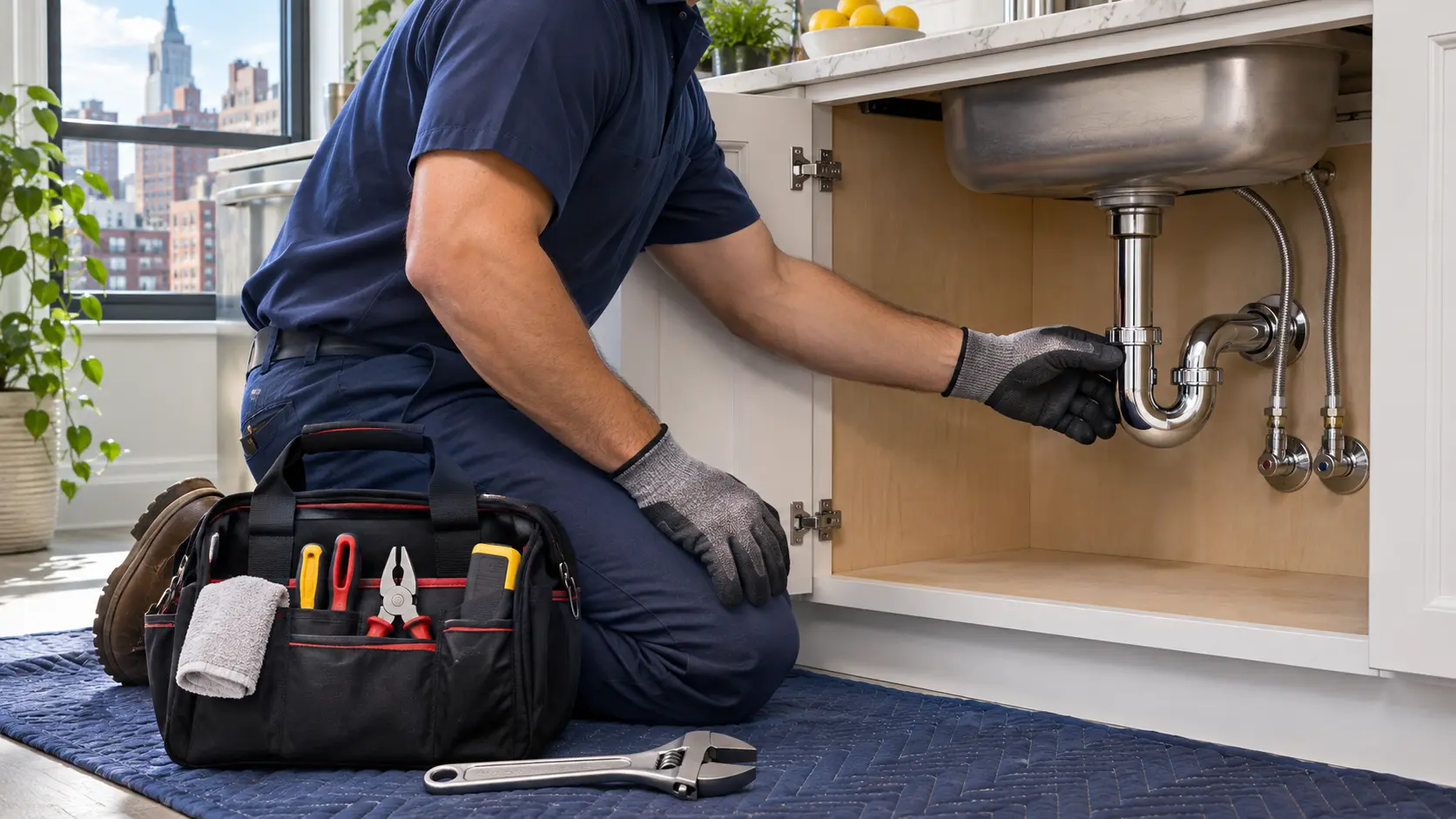
Professional plumbers should treat your property with care. Their work should not create unnecessary mess or leave damaged areas unattended.
Look for a team that:
- Protects nearby floors and surfaces where needed.
- Uses suitable tools and equipment.
- Keeps the work area organized.
- Explains any access points that need to be opened.
- Cleans up after completing the repair.
Small details like these show whether a company respects the people and properties it serves.
Reviews That Show Consistent Results
Online reviews can help you understand how a plumbing company treats its customers. However, looking at the overall star rating alone does not tell the whole story.
Read recent reviews and look for repeated comments about:
- Accurate arrival times
- Clear pricing and communication
- Successful repairs
- Professional staff
- Follow-up support when problems return
Pay attention to how the company responds to negative feedback, too. A professional business should address complaints calmly and explain how it handles customer concerns. Personal recommendations from neighbors, building managers, or people you trust can also help you find a reliable local plumber.
What Questions Should You Ask Before Hiring a Plumber?
You do not need to be a plumbing expert to make a good hiring decision. Asking a few direct questions can help you understand the company’s qualifications, pricing, and approach.
| Question | Why It Matters |
|---|---|
| Who will supervise or perform the plumbing work? | Helps you understand the team’s qualifications. |
| Have you handled this type of repair before? | Confirms relevant experience. |
| Can you provide a written estimate? | Helps prevent misunderstandings about costs. |
| Does this job require a plumbing permit? | Clarifies whether approvals are needed. |
| Do you carry the relevant insurance? | Helps protect your property and workers. |
| Is the repair covered by a warranty? | Explains what happens if the problem returns. |
| Are there additional emergency or after-hours fees? | Helps you understand the full cost. |
Do not feel pressured to hire a company that avoids these questions. Clear answers help establish trust before the work begins.
Why Does a Written Estimate and Workmanship Guarantee Matter?
A verbal promise can be difficult to verify if a disagreement arises later. Written details give both you and the plumbing company a clear understanding of the agreed work. For larger jobs, ask for documentation that covers the repair plan, materials, expected timeline, payment terms, and any applicable warranty. Keep copies of estimates, invoices, and other service records.
A workmanship guarantee is another useful sign of accountability. However, warranties differ between companies. Ask what they cover, how long the coverage lasts, and whether parts and labor are included. The New York Attorney General’s guide to hiring a home-improvement contractor recommends checking references, getting proof of insurance, comparing estimates, and putting project details in writing. Although plumbing work has separate licensing and permit rules in NYC, these general hiring practices are useful when evaluating contractors.
Final Thoughts
Finding a trustworthy plumber is about more than getting a leak fixed or a drain cleared. You need a company that understands the problem, explains the available solutions, respects your property, and stands behind its work.
Unclog NYC helps property owners address plumbing problems with a focus on practical solutions and professional service. Whether you need help with a clogged drain, leaking pipe, or another plumbing issue, choosing a company that values clear communication and dependable workmanship can make the entire process easier. Before hiring a plumbing company in NYC, take time to check its qualifications, ask about pricing, and understand what the repair includes.
FAQs
How do I know if a plumbing company is reliable?
Check its qualifications, relevant experience, insurance, customer reviews, and pricing process. A reliable company explains the problem clearly, provides an estimate, and answers your questions without pressure.
Should I hire a licensed plumber in NYC?
For plumbing work that requires a permit, NYC requires the permit to be obtained by a Licensed Master Plumber. Check the city’s requirements and confirm that the person responsible for your project has the appropriate qualifications.
What should a plumbing estimate include?
A useful estimate should describe the repair, expected labor and material costs, included services, and any possible additional charges. Larger projects should also include a timeline and payment terms.
Is the cheapest plumbing company the best choice?
Not necessarily. A low quote may leave out important work, materials, or follow-up support. Compare estimates based on the repair plan, qualifications, service quality, and total expected cost.
What should I do during a plumbing emergency?
If a pipe bursts or a major leak develops, shut off the water supply if you can do so safely. Keep away from electrical equipment near standing water and contact a qualified emergency plumber. Take steps to limit further damage without attempting repairs beyond your ability.